请双击输入内容...


Tel: +86-20-86181657

Email: sales@sunrans.com
Share to:














-
07/172026
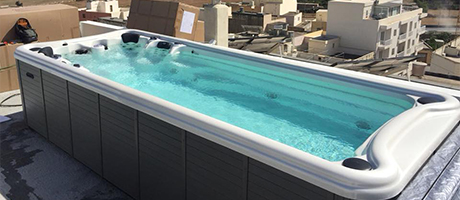
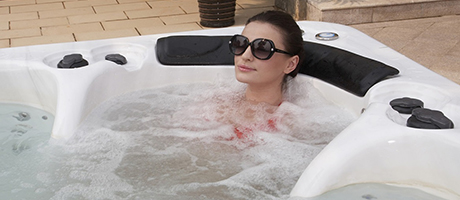
2026 Best Hot Tubs and Swim Spas Buying Guide: Prices, Sizes & Top Picks
The complete 2026 buying guide for hot tubs and swim spas. Compare prices, sizes, features, and find the perfect spa for your home or project. Expert tips inside.
-
07/172026
Swim Spa for Sale Under $10,000 (2026): Best Budget Models, Combo Deals & Buying Guide
Looking for a swim spa under $10,000? Discover what features you can expect, compare budget swim spa options, understand hidden costs, and learn how SUNRANS delivers exceptional value through factory-direct pricing. (Pricing based on 2026 market conditions.)
-
07/172026
Hot Tub Cost Breakdown 2026: Installation, Maintenance & Total Ownership Cost Guide
Wondering how much a hot tub really costs? Discover the complete hot tub cost breakdown, including installation, monthly expenses, maintenance costs, and money-saving tips before you buy.
-
06/242026
How Premium Swim Spas Increase Luxury Property Value in 2026
Wellness amenities are now essential, not optional in luxury real estate. Properties with wellness features sell for a premium compared to comparable non-wellness listings.
-
06/122026
How Does Hot Tub Insulation Work?
Learn how hot tub insulation works, including full foam and multi-layer insulation systems, heat retention methods, and freeze protection technologies for energy-efficient spas.
-
06/112026
Innovative Spa & Wellness Products at CBD Fair 2026
Summary / Key TakeawaysCBD Fair 2026 (July 8-11, Guangzhou) is the launch platfo
-
06/112026
5 Reasons to Visit Sunrans at CBD Fair 2026
Discover 5 reasons to visit Sunrans at CBD Fair 2026 in Guangzhou. See new hot tubs, swim spas, saunas, and ice baths at Booth 1.2 D04. Book your VIP meeting.
-
05/192026
Live from Guangzhou: Highlights at Asia Pool & Spa Expo 2026
Live report from Sunrans at Asia Pool & Spa Expo 2026. See highlights from Booth T319, Hall 11.1, Area B. Hot tubs, swim spas, ice baths, and buyer reactions from Europe, North America, and Australia.
-
05/132026
5 Reasons to Visit Sunrans at Asia Pool & Spa Expo 2026
Discover 5 reasons to visit Sunrans at Asia Pool & Spa Expo 2026. See full product line, experience Aristech acrylic & Balboa controls, discuss OEM/ODM, and meet our factory team. Booth T319, Hall 11.1, Area B. May 15-17, 2026.
-
05/122026
What to Expect at Asia Pool & Spa Expo 2026 – Visit Sunrans at Booth T319
Visit Sunrans at Booth T319, Hall 11.1, Area B during Asia Pool & Spa Expo 2026 in Guangzhou. See our SR8211 hot tub, SR8823D swim spa, ice bath, sauna, and explore OEM/ODM options. May 15-17, 2026.
-
04/252026
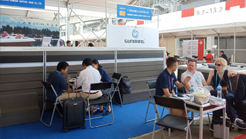
Live from Guangzhou: Behind the Scenes at Sunrans' Canton Fair Exhibition
Go behind the scenes at Sunrans Canton Fair exhibition. See how a leading spa manufacturer prepares, presents products, and connects with global buyers. Live from Guangzhou.
-
04/152026
Beyond Assembly: How Integrated Manufacturing Drives B2B Distributor Success in 2026
Discover how integrated spa factory advantages solve 2026 distributor challenges: profit margin protection, supply chain stability, and full quality control from acrylic molding to 48-hour testing. CE, ETL, SAA certified.

English
- 中文
- English
Share to:  |
|
Copyright© GUANGZHOU SUNRANS SANITARY WARE CO.,LTD
粤ICP备17099389号-2
Contact us
Tel: +86-20-86181657 Email: sales@sunrans.com
Share to
Contact us Tel: +86-020-26231998 Email: sales@sunrans.com Post code: 511300
Copyright © GUANGZHOU SUNRANS SANITARY WARE CO.,LTD 粤ICP备17099389号
