请双击输入内容...


Tel: +86-20-86181657

Email: sales@sunrans.com
Share to:













- Media News -
How Does Hot Tub Insulation Work?
Time: 2026-06-12 16:29:35
Author: SUNRANS
Click:
Learn how hot tub insulation works, including full foam and multi-layer insulation systems, heat retention methods, and freeze protection technologies for energy-efficient spas.

Introduction
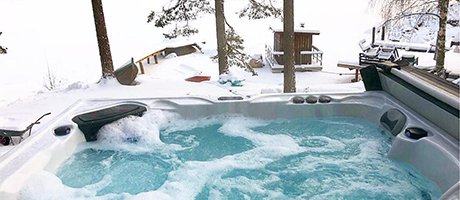
Hot tub insulation plays a critical role in maintaining water temperature, improving energy efficiency, and protecting spa systems during cold weather. Whether you own a luxury hot tub, a swim spa, or a commercial spa system, proper insulation directly affects operating costs, heating performance, and winter reliability.
In cold climates such as Canada, Northern Europe, and northern parts of the United States, an insulated hot tub can significantly reduce heat loss and prevent freezing damage. Modern spa manufacturers use advanced insulation technologies to create energy-efficient systems that retain heat while reducing electricity consumption.
In this guide, we will explain how hot tub insulation works, the different types of insulation systems used in the spa industry, and the key components that help maintain thermal efficiency in modern spas.
Why Insulation Matters in a Hot Tub
A hot tub continuously loses heat to the surrounding environment. Without proper insulation, the heater must work harder to maintain water temperature, resulting in higher electricity costs and increased wear on spa components.
Good insulation offers several important benefits:
· Reduces energy consumption
· Improves heating efficiency
· Maintains stable water temperature
· Protects plumbing systems from freezing
· Reduces operational noise
· Extends equipment lifespan
For outdoor spas operating in winter conditions, insulation becomes even more important. Strong insulation systems help spas maintain comfortable temperatures even when outdoor temperatures fall below freezing.
Today, energy-efficient hot tubs are designed with advanced thermal management systems that combine insulation, heat recovery, and intelligent freeze protection technologies.
How Heat Loss Happens in a Spa
To understand how insulation works, it is important to understand where heat loss occurs in a hot tub.
Heat naturally moves from warmer areas to colder areas. Since spa water is heated to approximately 37°C–40°C (98°F–104°F), heat constantly escapes into the cooler outdoor environment.
The three primary areas of heat loss are the water surface, cabinet structure, and plumbing system.
Water Surface Heat Loss
The water surface is the largest source of heat loss in a hot tub.
In many cases, more than 60% of total heat loss occurs through the water surface due to:
· Evaporation
· Steam release
· Air exposure
When hot water comes into contact with cold air, heat rapidly escapes from the spa. Wind exposure can accelerate this process even further.
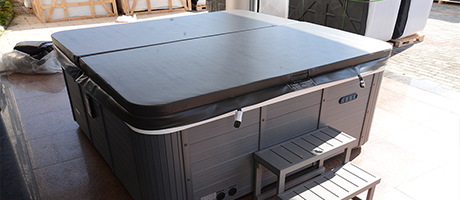
This is why insulated spa covers are extremely important. High-quality hot tub covers are designed with dense foam cores and weather-resistant materials to trap heat inside the spa when it is not in use.
Many premium hot tub covers are tapered to improve water runoff and prevent heat leakage around the edges.
For cold-climate installations, thicker insulated covers provide significantly better thermal performance.
Cabinet Heat Loss
Heat also escapes through the spa cabinet and shell structure.
The outer cabinet surrounds the spa shell, pumps, pipes, and equipment compartment. Without insulation inside the cabinet, warm air generated by the heater and pumps would quickly dissipate into the environment.
Modern spa manufacturers reduce cabinet heat loss using:
· Polyurethane foam insulation
· Thermal reflective barriers
· Multi-layer insulation panels
· Sealed cabinet designs
These systems help create a thermal chamber inside the spa cabinet, trapping warm air and improving overall heat retention.
Pipe Heat Loss
The plumbing system is another important area of thermal loss.
Hot water continuously circulates through:
· PVC pipes
· Jets
· Pumps
· Heaters
· Filtration systems
If these pipes are exposed to cold air, heat will rapidly dissipate from the water during circulation.
To reduce pipe heat loss, manufacturers often use:
· Pipe insulation wraps
· Foam insulation
· Thermal sleeves
· Heated equipment chambers
Well-insulated plumbing systems improve energy efficiency while reducing the risk of freezing during winter.
Types of Hot Tub Insulation
Different spa manufacturers use different insulation methods depending on climate requirements, maintenance considerations, and energy-efficiency goals.
The two most common insulation systems are full foam insulation and multi-layer insulation.
Full Foam Insulation
Full foam insulation is one of the oldest and most widely used spa insulation methods.
In this system, high-density polyurethane foam completely fills the space between the spa shell and cabinet walls.
The foam surrounds:
· Plumbing lines
· Jets
· Pipe fittings
· Internal cavities
This creates a highly insulated structure similar to a large thermal bottle.
Advantages of Full Foam Insulation
· Excellent heat retention
· Strong energy efficiency
· Reduced heat loss
· Structural support for plumbing
· Lower operating noise
Full foam systems are especially popular in extremely cold regions such as Canada and Northern Europe.
Disadvantages of Full Foam Insulation
However, full foam systems also have some disadvantages.
Because pipes are buried inside hardened foam, leak detection and repairs can be more difficult and time-consuming.
Technicians may need to cut away foam material to access damaged plumbing components.
Multi-Layer Insulation
Multi-layer insulation, also called perimeter or zoned insulation, is becoming increasingly popular in modern premium spas.
Instead of filling the entire cabinet with foam, this system uses multiple insulation layers strategically positioned throughout the spa structure.
These layers may include:
· Shell insulation
· Pipe insulation
· Reflective thermal barriers
· Cabinet insulation panels
· Base insulation
The system creates an insulated air chamber that traps warm air generated by pumps and equipment.
Some manufacturers also use thermal recovery systems that recycle waste heat from pumps back into the cabinet space.
Advantages of Multi-Layer Insulation
· Easier maintenance access
· Better equipment ventilation
· Improved pump cooling
· Lower repair costs
· Balanced energy efficiency
Disadvantages of Multi-Layer Insulation
Compared to full foam insulation, some lower-quality perimeter systems may experience slightly higher heat loss if the cabinet is not properly sealed.
However, advanced multi-layer systems used by premium manufacturers can achieve excellent thermal performance while maintaining easier serviceability.
Key Components of Spa Insulation
Modern hot tubs use several important insulation components working together to maximize energy efficiency.
Shell Insulation
The spa shell is the main body structure that holds the water.
Manufacturers typically apply polyurethane foam insulation directly to the backside of the acrylic shell.
This helps maintain water temperature while strengthening the shell structure.
High-quality shell insulation also reduces vibration and improves long-term durability.
Pipe Insulation
Pipes carry heated water throughout the spa system.
Insulating these pipes reduces thermal loss during water circulation.
Common pipe insulation materials include:
· Foam wraps
· Thermal sleeves
· Flexible insulation tubing
Some premium spas individually wrap each plumbing line for improved heat retention.
Insulated Cover
The insulated cover is one of the most important thermal protection components in a hot tub.
A high-quality cover helps:
· Prevent evaporation
· Reduce heat escape
· Protect against debris
· Improve winter performance
Premium covers often feature:
· High-density foam cores
· Marine-grade vinyl
· Reinforced hinge systems
· Heat-sealed vapor barriers
For cold-climate installations, thicker insulated covers provide superior thermal efficiency.
Base Insulation
Cold air from the ground can also affect spa temperature stability.
Many modern spas use insulated ABS or aluminum bases to reduce heat transfer from below.
A sealed base also helps protect plumbing systems from moisture, pests, and freezing air.
Which Insulation System Is Best?
There is no single insulation system that is perfect for every application.
The best insulation system depends on several factors:
· Climate conditions
· Energy-efficiency goals
· Serviceability requirements
· Spa usage frequency
· Installation environment
Full Foam Insulation Is Best For:
· Extremely cold climates
· Maximum heat retention
· Lowest winter energy consumption
Multi-Layer Insulation Is Best For:
· Easier maintenance
· Balanced energy efficiency
· Better equipment cooling
· Long-term service access
Today, many premium spa manufacturers combine both approaches to create hybrid thermal systems that offer excellent insulation performance and easier maintenance.
Modern energy-efficient spas are no longer focused only on adding more foam. Instead, manufacturers now develop complete thermal management systems that integrate insulation, heat recovery, intelligent controls, and freeze protection technologies.
Conclusion
Hot tub insulation is essential for maintaining water temperature, improving energy efficiency, and protecting spa systems during cold weather.
Modern insulation systems help reduce heat loss through the water surface, cabinet, and plumbing system while lowering electricity costs and improving user comfort.
Whether using full foam insulation or advanced multi-layer insulation, today’s premium spas are designed to maximize thermal efficiency while ensuring reliable winter operation.
For homeowners, dealers, and commercial buyers, understanding how spa insulation works is an important step in selecting a high-performance hot tub that can operate efficiently in all seasons.
At SUNRANS, we design energy-efficient hot tubs and swim spas with advanced insulation systems and intelligent freeze protection technologies for reliable performance in harsh winter environments.
Contact SUNRANS for Energy-Efficient Spa Solutions
Looking for high-performance hot tubs designed for cold climates and energy savings?
Contact SUNRANS today to learn more about our insulated hot tubs, swim spas, and advanced thermal management solutions for global markets.

点击右上角
分享给朋友吧







 Long by picture save/share
0

English
- 中文
- English
Share to:  |
|
Copyright© GUANGZHOU SUNRANS SANITARY WARE CO.,LTD
粤ICP备17099389号-2
Contact us
Tel: +86-20-86181657 Email: sales@sunrans.com
Share to
Contact us Tel: +86-020-26231998 Email: sales@sunrans.com Post code: 511300
Copyright © GUANGZHOU SUNRANS SANITARY WARE CO.,LTD 粤ICP备17099389号
